-
 Min. order: 100 piece
 -
 Min. order: 100 piece
 -
 Min. order: 100 piece
 -
 Min. order: 100 piece
 -
 Min. order: 100 piece
 -
 Min. order: 100 piece
 -
 Min. order: 100 piece
 -
 Min. order: 100 piece
 -
 Min. order: 100 piece
 -
 Min. order: 100 piece
 -
 Min. order: 100 piece
 -
 Min. order: 100 piece
 -
 Min. order: 100 piece
 -
 Min. order: 100 piece
 -
 Min. order: 100 piece
 -
 Min. order: 100 piece
 -
 Min. order: 100 piece
 -
 Min. order: 100 piece
 -
 Min. order: 100 piece
 -
 Min. order: 100 piece
 -
Min. order: 100 piece
-
 Min. order: 100 piece
 -
 Min. order: 100 piece
 -
 Min. order: 100 piece
For centuries, marble has been the undisputed king of luxury flooring. From the bathhouses of ancient Rome to the foyers of modern penthouses, the stone symbolizes wealth, sophistication, and artistic beauty. However, natural marble comes with significant caveats: it is porous, prone to staining, requires constant maintenance, and carries a hefty price tag.
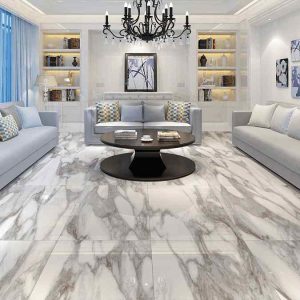
Enter the modern solution: marble style floor tiles.
Thanks to advanced printing technology and manufacturing innovations, homeowners can now achieve the opulent look of natural stone without the associated headaches. Whether you are renovating a master bathroom or updating a grand living room, marble style floor tiles offer the perfect intersection of durability, affordability, and aesthetic appeal.
In this extensive guide, we will explore everything you need to know about this design staple, from current trends to installation rules, answering your most pressing questions along the way.
The Revolution of Faux Stone: Is there a tile that looks like marble?
The short answer is a resounding yes. There are tiles available today that look so remarkably like natural marble that even industry experts have to touch them to tell the difference.
The primary contenders in this category are porcelain and ceramic tiles. Using high-definition inkjet printing technology, manufacturers can photograph slabs of real Calacatta, Carrara, or Statuario marble and replicate those high-resolution images onto the surface of a tile. This process allows for:
-
Realistic Veining: The intricate grey, gold, or brown veins are reproduced with startling clarity.
-
Texture Variation: Advanced glazes can mimic the depth and “movement” of real stone.
-
Pattern Variation: To avoid a repetitive look, high-quality marble style floor tiles are produced with dozens of different “faces,” ensuring that no two adjacent tiles look exactly the same.
While luxury vinyl tile (LVT) is another contender, porcelain marble style floor tiles remain the gold standard for realism and durability.
Marble vs. The Look-Alike: Which is Better?
To understand why marble style floor tiles have exploded in popularity, we must first address the reality of the natural stone they mimic.
Is marble tile good for flooring?
Natural marble tile is “good” for flooring in the sense that it adds immense value and unmatched natural beauty to a home. It is cool to the touch (great for hot climates) and offers a unique, one-of-a-kind variation. However, it is soft compared to other stones. It scratches easily, etches if acidic liquids (like lemon juice or vinegar) are spilled on it, and requires regular sealing to prevent stains.
Why is marble not preferred for flooring?
Despite its beauty, marble is often not preferred for high-traffic areas or homes with children and pets because of its high maintenance.
-
Porosity: It absorbs liquids quickly.
-
Softness: It can chip or crack under heavy impact.
-
Cost: It is expensive to buy and expensive to install.
What are the disadvantages of marble tiles?
If you choose real marble over marble style floor tiles, you must be prepared for:
-
Etching: Dull spots caused by acids.
-
Staining: Red wine or coffee can leave permanent marks if not wiped immediately.
-
Maintenance: Needs professional polishing and annual sealing.
-
Slipping: Polished marble is incredibly slippery when wet.
What is the best alternative to marble flooring?
Without question, porcelain tile is the best alternative. It is harder than granite, impervious to water (absorbing less than 0.5% moisture), stain-resistant, and requires zero sealing. When you choose porcelain marble style floor tiles, you get the visual drama of stone with the durability of a commercial-grade material.
Design Trends: What is in Style?
As we move further into the decade, interior design preferences are shifting.
Is marble still in style in 2025?
Absolutely. Marble is considered a “neutral” in the design world. It transcends trends. However, how it is used is changing. In 2025, we are moving away from the stark, cold, all-white clinical looks and embracing warmer, more dramatic interpretations.
What tile is in style in 2025?
If you are shopping for marble style floor tiles in 2025, look for these trends:
-
Warm Veining: Instead of just grey veins on white, look for marble style floor tiles featuring gold, bronze, or rust-colored veining (often mimicking Calacatta Gold).
-
Large Format Slabs: The bigger, the better. Tiles sized 24×48 inches or even 48×48 inches are trending because they minimize grout lines, creating a seamless “slab” effect.
-
Matte and Honed Finishes: While high gloss is classic, honed (matte) finishes are in style for 2025. They feel more organic and hide dirt better.
-
Bold Colors: Black marble (Marquina) or green marble looks are gaining traction for powder rooms and statement entryways.
What color tile never goes out of style?
If you want to future-proof your renovation, stick to white and grey. A classic white background with subtle grey veining (resembling Carrara marble) is timeless. It brightens a room, makes spaces feel larger, and pairs with absolutely any furniture style or wall color.
Comparing the Contenders
When shopping for flooring, homeowners often find themselves debating between materials. Let’s break down the common comparisons.
Which is better, marble or ceramic tile?
For 90% of homeowners, ceramic (or porcelain) tile is better.
-
Durability: Ceramic marble style floor tiles do not scratch or stain easily.
-
Maintenance: You can clean ceramic with almost any detergent; marble requires pH-neutral cleaners.
-
Price: Ceramic is significantly cheaper.
-
Marble’s Edge: The only area where real marble wins is “authenticity” and potential resale value for ultra-luxury buyers who demand natural materials.
Which is better, marble or granite?
This is a battle of stones.
-
Granite is an igneous rock; it is much harder, less porous, and more resistant to chemicals than marble. If you need a natural stone in a kitchen, granite is more practical.
-
Marble is a metamorphic rock; it is softer and more porous. However, visually, marble is often preferred for its flowing veins, whereas granite has a speckled, granular look.
-
If you want the look of marble but the strength of granite, the solution is high-quality porcelain marble style floor tiles.
What looks like marble but is cheaper?
If your budget is tight, consider these options in order of cost-effectiveness:
-
Ceramic Marble Style Floor Tiles: The most budget-friendly hard surface.
-
Luxury Vinyl Plank (LVP) or Tile (LVT): Very affordable, warm underfoot, and waterproof. Great for DIYers.
-
Porcelain Marble Style Floor Tiles: Slightly more expensive than ceramic but virtually indestructible.
Installation and Technical Considerations
Choosing the right marble style floor tiles is only half the battle; installing them correctly is crucial for achieving that high-end look.
The Importance of Rectified Edges
To truly mimic real stone slabs, ensure you buy “rectified” marble style floor tiles. This means the edges have been mechanically finished to be perfectly straight. This allows for extremely thin grout lines (1/16th of an inch), which helps the floor look like continuous stone rather than a grid of tiles.
Layout Patterns and the 1/3 Rule
One common mistake DIYers make is with the layout of rectangular tiles.
What is the 1/3 rule for tile? The 1/3 rule (or 33% offset) is an installation standard for rectangular tiles, specifically those 15 inches or longer. instead of laying tiles in a “brick” pattern (where the center of one tile aligns with the edge of the next, known as a 50% offset), you offset the tile by no more than one-third of the length of the adjacent tile.
-
Why? Large tiles often have a slight bow in the middle (warpage) created during the kiln firing process. If you align the highest point of one tile (the middle) with the lowest point of the next (the edge) in a 50% offset, you get “lippage”—an uneven surface you can trip over.
-
The Fix: The 1/3 rule minimizes the difference in height, ensuring a flat, safe, and professional-looking floor for your marble style floor tiles.
Room-by-Room Guide to Marble Style Floor Tiles
The Living Room
Marble style floor tiles in the living room create a sense of grandeur.
-
Best Pick: Large format (24×48) polished porcelain.
-
Why: Reflects light, making the room feel huge.
-
Google Autocomplete Tip: Search for “marble style floor tiles for living room modern” to see examples of how grey veining pairs with contemporary furniture.
The Kitchen
Kitchens are high-spill zones.
-
Best Pick: Matte or Satin finish marble style floor tiles.
-
Why: A polished floor in a kitchen can be a slip hazard if water or oil is spilled. A matte finish provides grip while resisting tomato sauce and red wine stains.
-
Design: Use “marble style floor tiles kitchen” ideas to coordinate your floor with quartz countertops.
The Bathroom
This is the most popular place for the marble look.
-
Best Pick: Porcelain mosaic for shower floors (for grip) and matching large tiles for the main floor.
-
Why: Creates a spa-like sanctuary.
-
Trend: “Grey marble style floor tiles” are massive in bathrooms, offering a moody, masculine alternative to the traditional bright white spa look.
FAQ: Quick Answers to Your Burning Questions
In case you missed the details above, here is a summary of the most frequently asked questions regarding marble style floor tiles and their natural counterparts.
Q: Is there a tile that looks like marble? A: Yes. Modern porcelain and ceramic tiles utilize high-definition printing to replicate the look of marble with near-perfect accuracy.
Q: Is marble tile good for flooring? A: It is beautiful and adds value, but it is high maintenance, porous, and prone to scratching, making it less ideal for busy households.
Q: What is the best alternative to marble flooring? A: Porcelain tile. It mimics the look perfectly but is harder, waterproof, and requires no sealing.
Q: What are the disadvantages of marble tiles? A: They require regular sealing, stain easily (especially from acids), scratch effortlessly, and can be very slippery when wet.
Q: What tile is in style in 2025? A: Large-format tiles, warm-toned veining (golds and creams), and matte finishes are the top trends for 2025.
Q: What looks like marble but is cheaper? A: Ceramic and porcelain tiles are significantly cheaper. Luxury Vinyl Tile (LVT) is another cost-effective option that mimics the look.
Q: Why is marble not preferred for flooring? A: Because of the “worry factor.” Homeowners do not want to stress over every spill or scuff. The maintenance required to keep it looking pristine is often too much for modern lifestyles.
Q: Is marble still in style in 2025? A: Yes, marble is a classic material. However, the application is shifting toward warmer tones and honed finishes rather than high-gloss cool whites.
Q: What color tile never goes out of style? A: White marble looks (like Calacatta or Carrara) and neutral greys are timeless. They serve as a canvas for changing furniture and paint trends.
Q: Which is better, marble or ceramic tile? A: Ceramic is better for durability, cost, and maintenance. Marble is better for luxury status and natural variation.
Q: What is the 1/3 rule for tile? A: It is an installation requirement for large rectangular tiles where the tile is offset by 33% of the adjacent tile’s length to prevent lippage (uneven edges).
Q: Which is better, marble or granite? A: Granite is functionally better (harder, less porous). Marble is often considered aesthetically “softer” and more elegant, but it is much more fragile.
Cost Analysis: Affordable Luxury
When budgeting for your renovation, understanding the price difference is key.
-
Real Marble: Can range from $10 to $50+ per square foot, plus high installation costs due to the need for specialized cutting and sealing.
-
Marble Style Floor Tiles (Porcelain): typically range from $3 to $10 per square foot.
-
Installation: Installing porcelain is generally standard pricing for tilers, whereas natural stone often commands a premium labor rate.
By choosing marble style floor tiles, you are likely saving 50% to 70% on the total project cost, freeing up budget for other elements like underfloor heating—which, by the way, works excellently with porcelain marble style floor tiles because they conduct heat efficiently.
Conclusion
The dream of a marble floor does not have to come with the nightmare of maintenance. Whether you are searching for “marble style floor tiles bathroom” inspiration or seeking durable “marble style floor tiles kitchen” solutions, the market today offers incredible variety.
By opting for high-quality porcelain or ceramic marble style floor tiles, you secure the best of both worlds: the opulent, timeless aesthetic of natural stone and the rugged, worry-free durability of modern engineering. In 2025 and beyond, this is a design choice that promises to hold its value and its beauty.