-
 Min. order: 100 piece
 -
 Min. order: 100 piece
 -
 Min. order: 100 piece
 -
 Min. order: 100 piece
 -
 Min. order: 100 piece
 -
 Min. order: 100 piece
 -
 Min. order: 100 piece
 -
 Min. order: 100 piece
 -
 Min. order: 100 piece
 -
 Min. order: 100 piece
 -
 Min. order: 100 piece
 -
 Min. order: 100 piece
 -
 Min. order: 100 piece
 -
 Min. order: 100 piece
 -
 Min. order: 100 piece
 -
 Min. order: 100 piece
 -
 Min. order: 100 piece
 -
 Min. order: 100 piece
 -
 Min. order: 100 piece
 -
 Min. order: 100 piece
 -
 Min. order: 100 piece
 -
 Min. order: 100 piece
 -
 Min. order: 100 piece

In the realm of interior design, the kitchen island has become the new living room—a central hub for socializing, working, and dining. As this shift occurs, homeowners are demanding surfaces that offer the opulent aesthetic of high-end natural stone without the fragility that comes with it. Enter the calacatta gold quartz countertop.
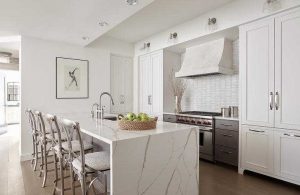
This specific material has skyrocketed in popularity, dominating Pinterest boards and architectural digests alike. It promises the timeless beauty of Italian marble with the modern engineering of quartz. But is it the right choice for your home? This 2,000-word guide explores every facet of this material, from cost and care to design trends and installation advice.
What is a Calacatta Gold Quartz Countertop?
To understand the appeal, we must first define the material. A calacatta gold quartz countertop is an engineered stone surface designed to mimic the rare and coveted Calacatta marble found in the quarries of Carrara, Italy.
While natural Calacatta marble is famous for its stark white background and dramatic gray veining, the “Gold” variation introduces warmth. These quartz slabs feature a pristine, creamy white backdrop interrupted by thick, striking veins of gray, accented with subtle ribbons of metallic gold, beige, or bronze.
This unique color palette solves a common design dilemma: how to mix metals. The gray veins coordinate with stainless steel appliances, while the gold accents create a seamless visual link with brass faucets, cabinet hardware, and warm wood tones.
The Composition
Like most engineered stones, a calacatta gold quartz countertop is composed of approximately 90% to 93% ground natural quartz aggregates. The remaining 7% to 10% consists of high-quality polymer resins and pigments. The quartz provides diamond-like hardness, while the resin acts as a binder, making the slab non-porous and incredibly durable
Why is Calacatta Gold Trending Now?
If you start typing into a search engine, you will likely see “Calacatta Gold quartz popularity” as a top result. Why the sudden surge?
The Shift to Warm Neutrals
For the last decade, cool grays and stark whites dominated kitchen design. However, 2024 and 2025 have seen a massive shift toward “warm minimalism.” Homeowners want cozy, inviting spaces. The beige and gold undertones in a calacatta gold quartz countertop bridge the gap between the sterile white kitchens of the past and the warmer, earthier trends of the future.
Timelessness vs. Trendiness
A common fear for renovators is installing something that will look dated. Is a calacatta gold quartz countertop too trendy? The consensus among designers is that while it is currently a “trend,” it is not a “fad.” Because it emulates a natural stone that has been used in architecture for thousands of years, it retains a classic appeal. Unlike bright red laminate or tiled countertops, the look of white marble with gold veining is historically enduring.
Cost Analysis: Is it Worth the Investment?
Budget is often the deciding factor. When researching this material, one of the first autocomplete keywords you will find is “Calacatta Gold quartz price per square foot.”
The Price Tag
A calacatta gold quartz countertop is considered a premium product. You should expect to pay between $65 and $100+ per square foot installed. This places it in the upper echelon of quartz pricing. Standard quartz (solid colors or small flecks) might cost $45–$60 per square foot, but the “Calacatta” look requires advanced manufacturing technology. Creating realistic, “through-body” veining that looks natural rather than printed takes more time and resources, justifying the higher cost.
Comparisons
-
Vs. Natural Marble: A real Calacatta Gold marble slab can cost $150 to $250 per square foot. In this context, the quartz version is a bargain.
-
Vs. Granite: High-end exotic granites are priced similarly to Calacatta Gold quartz, though entry-level granite is significantly cheaper.
-
Vs. Standard Quartz: You are paying a 20-40% premium for the specific Calacatta pattern.
Durability and Performance
When you purchase a calacatta gold quartz countertop, you are buying peace of mind.
Stain Resistance
This is the primary advantage over natural stone. Natural marble is porous; a drop of red wine or lemon juice can etch or stain it instantly. A calacatta gold quartz countertop is non-porous. It repels liquids, oils, and acids, making it ideal for busy families who cook frequently.
Scratch and Chip Resistance
Quartz is one of the hardest minerals on Earth (7 on the Mohs scale). While no countertop is invincible, quartz is significantly harder to scratch than granite or marble. However, heavy impact on edges can still cause chipping, so using a rounded edge profile (like a bullnose or eased edge) is recommended.
Heat Resistance
A frequently searched question is: “Can you put hot pans on Calacatta Gold quartz?” The answer is no. While the quartz stone itself is heat resistant, the resin binder is not. Exposure to temperatures above 150°F–300°F (depending on the brand) can cause the resin to discolor, leaving yellow scorch marks. Always use a trivet or hot pad on your calacatta gold quartz countertop.
Design Ideas and Autocomplete Inspirations
Google’s autocomplete features often reveal what homeowners are dreaming about. Phrases like “Calacatta Gold quartz backsplash” and “kitchen island ideas” are top searches.
The Waterfall Edge
One of the most luxurious ways to display a calacatta gold quartz countertop is with a waterfall edge. This is where the countertop material continues down the side of the island to the floor. Because Calacatta Gold has such distinct, bold veining, fabricators can “bookmatch” the slabs, creating a mirror image of the veins as they cascade over the edge.
Full-Height Backsplash
Instead of traditional subway tile, consider running the calacatta gold quartz countertop material up the wall to meet the upper cabinets. This creates a seamless, cohesive look that makes the kitchen feel larger and cleaner. It also eliminates grout lines, making cleaning much easier.
Cabinet Pairings
-
White Cabinets: Creates a “white-on-white” heavenly look. The gold veins prevent the room from feeling too sterile.
-
Navy Blue or Charcoal: The high contrast makes the white background of the quartz pop, while the gold veins pick up on the warmth of brass hardware often used with dark cabinets.
-
Natural Wood: Light oak or walnut cabinets bring out the beige and gold tones in the slab, emphasizing the organic feel.
Leading Brands for Calacatta Gold
Not all quartz is created equal. When shopping for a calacatta gold quartz countertop, you will encounter several major brands.
Silestone Eternal Calacatta Gold
Perhaps the most famous version. Silestone’s take features a very white background with thick, elegant grey veins and subtle gold highlights. It uses N-Boost technology for liquid repellence.
MSI Q Quartz (Calacatta Gold)
A very popular choice for its balance of quality and affordability. MSI’s version often features slightly more active veining, making it a statement piece.
Caesarstone
Known for their “Calacatta Nuvo” and other variations, they offer high-performance slabs that are often used in commercial settings due to their durability.
Maintenance: How to Clean Your Countertop
One of the top questions owners have is: “How to clean Calacatta Gold quartz?” The maintenance is low, but specific.
Daily Cleaning
For routine cleaning of your calacatta gold quartz countertop, warm water and a mild dish soap are all you need. Use a soft microfiber cloth or sponge.
What to Avoid
You must avoid harsh chemicals.
-
No Bleach (Clorox): Do not use bleach or wipes containing bleach. Over time, bleach can degrade the resin, causing the shiny finish to dull.
-
No Abrasives: Avoid Magic Erasers or steel wool, which can leave micro-scratches on the polished surface.
-
No High pH Cleaners: Oven cleaners or paint removers can chemically burn the surface.
If you have a dried spill, use a plastic putty knife to gently scrape it off your calacatta gold quartz countertop before wiping it down.
Comparisons: Calacatta Gold vs. The Rest
To help you decide, let’s compare this material against its closest competitors.
Calacatta Gold vs. Calacatta Laza
“Calacatta Laza” is another top-selling quartz. The main difference is the movement. Laza is known for its “floating” veins that look like a milky way, often with softer edges. A calacatta gold quartz countertop, by contrast, usually features sharper, more defined veins with that specific metallic gold accent that Laza lacks
Calacatta Gold vs. Carrara Quartz
Carrara quartz is designed to look like Carrara marble, which has a gray/blue background with fine, feathery, and plentiful veins. It is a more subtle, “quiet” look. A calacatta gold quartz countertop is bolder, whiter, and more dramatic. If you want the countertop to be the focal point, choose Calacatta. If you want it to blend in, choose Carrara.
Installation Considerations
Installing a calacatta gold quartz countertop requires skilled professionals. Because the patterns are large and specific, “flow” is critical.
Seam Placement
If your kitchen island is larger than the standard slab size (usually roughly 120″ x 63″), you will need a seam. With a calacatta gold quartz countertop, hiding a seam is difficult because the veins must line up. Always ask to see a “digital layout” from your fabricator before they cut the stone. This allows you to see exactly where the veins will meet.
Thickness Options
Most slabs come in 2cm (approx. ¾ inch) or 3cm (approx. 1 ¼ inch) thicknesses. For a modern, sleek look, 2cm is often used with a built-up edge. However, the standard for a luxury calacatta gold quartz countertop in the US is 3cm, which offers substantial weight and durability without needing a plywood sub-top.
Pros and Cons Summary
To summarize the decision-making process, here is a quick breakdown.
Pros:
-
Aesthetics: Offers the luxury look of marble with the added warmth of gold.
-
Hygiene: Non-porous surface resists bacteria and viruses.
-
Maintenance: No sealing required; easy to clean.
-
Value: High resale appeal; buyers love the look of a calacatta gold quartz countertop.
Cons:
-
Price: It is one of the most expensive quartz options.
-
Heat Sensitivity: Cannot withstand hot pots directly.
-
UV Damage: Not suitable for outdoor kitchens.
Frequently Asked Questions (FAQ)
Here, we address the specific autocomplete questions found on Google regarding this material.
Is Calacatta Gold quartz popular?
Yes, it is currently one of the top three most requested quartz colors in North America. Its popularity stems from the “warm luxury” trend, replacing the sterile all-white kitchens of the 2010s.
Does Calacatta Gold quartz stain?
No. Unlike the marble it mimics, a calacatta gold quartz countertop is non-porous and highly resistant to staining from wine, coffee, and oils.
What backsplash goes with Calacatta Gold quartz?
You have three main options:
-
Match the quartz: Use the same slab for a full-height backsplash.
-
White Subway Tile: A classic choice that lets the countertop be the star.
-
Gold/Brass Mosaic: To highlight the gold veins in the stone.
How much does a slab of Calacatta Gold quartz cost?
While you usually pay per square foot installed, a single raw slab (if purchasing for a custom project) can cost between $1,500 and $2,500 depending on the brand and distributor.
Can you use Clorox wipes on quartz?
We advise against it. While using one occasionally may not ruin it immediately, the chemicals in disinfecting wipes can damage the resin bond of your calacatta gold quartz countertop over time.
Is Calacatta Gold better than granite?
“Better” is subjective. If you prioritize low maintenance and a bright white aesthetic, then yes, a calacatta gold quartz countertop is better. If you prioritize heat resistance and a unique, 100% natural pattern, granite is better.
What paint colors go with Calacatta Gold?
-
Sherwin Williams Alabaster: A warm white that matches the background.
-
Benjamin Moore Hale Navy: A deep blue that contrasts beautifully.
-
Greige tones: Colors like Revere Pewter pull out the grey veining.
Conclusion
Renovating a kitchen is a balance of emotion and logic. Emotionally, you want a space that feels luxurious and welcoming. Logically, you want a surface that can withstand the rigors of daily life without constant babying. A calacatta gold quartz countertop satisfies both needs perfectly.
It is a material that acknowledges the reality of modern living—where spills happen and time is precious—while refusing to compromise on beauty. By combining the stark elegance of white stone with the inviting warmth of gold veining, it serves as a versatile foundation for almost any design style, from farmhouse to contemporary chic.
If you are ready to elevate your home’s value and style, visiting a showroom to see a full slab in person is your next step. Photos rarely do justice to the intricate depth and shimmering detail of a true calacatta gold quartz countertop. Whether you pair it with gold fixtures for a royal look or matte black hardware for a modern edge, this surface promises to be the jewel of your kitchen for decades to come.
Ready to Find Your Perfect Slab?
The nuances of veining can vary significantly between batches. We recommend visiting a local stone yard to view the actual calacatta gold quartz countertop slabs available in your area before making a final decision.