-
 Min. order: 100 piece
 -
 Min. order: 100 piece
 -
 Min. order: 100 piece
 -
 Min. order: 100 piece
 -
 Min. order: 100 piece
 -
 Min. order: 100 piece
 -
 Min. order: 100 piece
 -
 Min. order: 100 piece
 -
 Min. order: 100 piece
 -
 Min. order: 100 piece
 -
 Min. order: 100 piece
 -
 Min. order: 100 piece
 -
 Min. order: 100 piece
 -
 Min. order: 100 piece
 -
 Min. order: 100 piece
 -
 Min. order: 100 piece
 -
 Min. order: 100 piece
 -
 Min. order: 100 piece
 -
 Min. order: 100 piece
 -
 Min. order: 100 piece
 -
 Min. order: 100 piece
 -
 Min. order: 100 piece
 -
 Min. order: 100 piece
 -
 Min. order: 100 piece
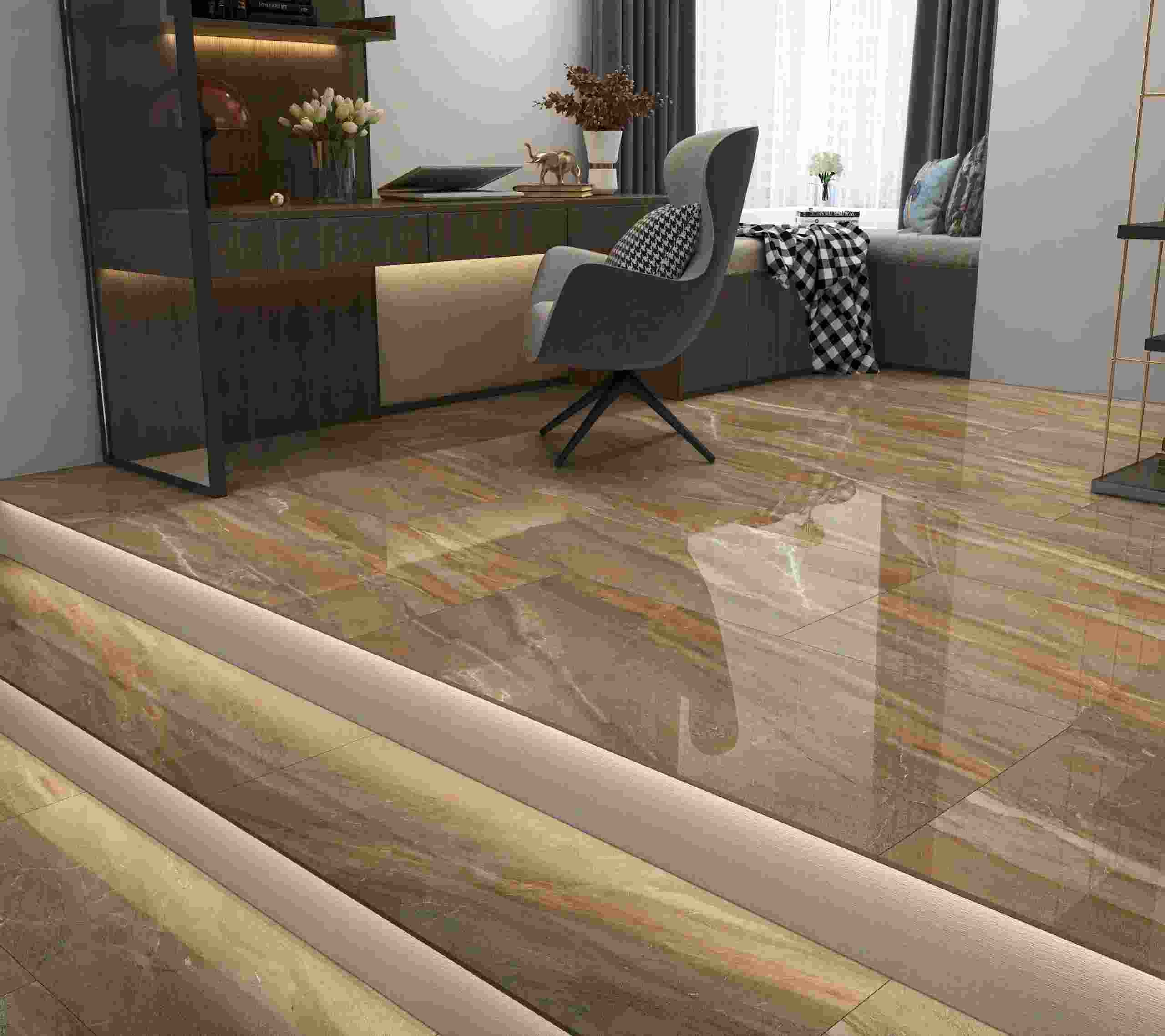
In the world of interior design, flooring is the foundation upon which all other elements stand. It dictates the tone, temperature, and texture of a room. For years homeowners have been torn between the organic warmth of hardwood and the opulent sophistication of stone.1 Enter wood marble tile—a fascinating category of flooring that bridges this gap.
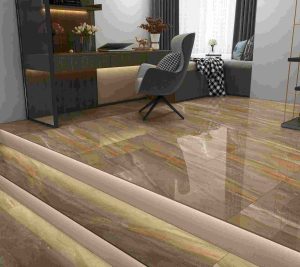
Whether you are referring to natural marble with striations that mimic timber (often called “wood grain marble” or “wooden white marble”) or the artful combination of wood-look porcelain and classic marble in a single design, wood marble tile represents the pinnacle of modern flooring versatility.
This article explores the nuances of wood marble tile, comparing materials, costs, and design strategies while answering the most pressing questions homeowners have about this trending aesthetic.
1. What is Wood Marble Tile?
The term “wood marble tile” is a linguistic chameleon in the flooring industry. It generally refers to two distinct concepts, both of which are revolutionizing modern interiors.
Natural Wood Grain Marble
First, there is the natural stone itself. Quarried primarily in regions like China, this material—often known as “White Wood Marble,” “Silk Georgette,” or “Serpeggiante”—is a limestone-marble hybrid.2 It is characterized by linear veins that run parallel to each other, strikingly resembling the grain of cut timber. When you install this type of wood marble tile, you get the best of both worlds: the cool, hard-wearing luxury of stone with the visual softness of wood grain.
The Design Combination
Second, wood marble tile refers to the intentional design choice of mixing wood-look tiles (usually porcelain) with real marble tiles. This “mix and match” approach creates dynamic transitions between rooms, such as a wood marble tile hallway leading into a Carrara marble bathroom, or complex inlay patterns where marble borders frame wood-look planks.
2. The Aesthetic Appeal: Why Choose Wood Marble Tile?
Do marble and wood look good together?
Absolutely. In fact, they are considered a “winning pair” in high-end interior design. The contrast is what makes the pairing work so well. Wood (or wood-look tile) offers warmth, texture, and a matte finish that absorbs light, making spaces feel cozy. Marble, conversely, is cool, smooth, and often polished to reflect light, adding grandeur.
When you use a wood marble tile design, you are balancing “earth” and “air.” A common application is in open-concept homes where the kitchen features cool marble flooring that transitions seamlessly into a living area clad in warm wood-look planks. The visual break defines the zones without the need for walls. Furthermore, utilizing a natural wood marble tile (the stone variety) provides a monochromatic, Zen-like aesthetic that is perfect for spa bathrooms and minimalist living rooms.
Is wood look tile outdated?
This is a common concern for renovators. The short answer is no, provided you choose the right style. While the heavily distressed, “barn wood” ceramic tiles of the early 2010s have fallen out of favor, high-quality wood marble tile and refined wood-look porcelain are currently staples of modern design. The trend has shifted toward subtle grains, lighter “blonde” woods, and large-format planks that minimize grout lines. As long as the tile mimics natural timber or stone convincingly, it remains a contemporary and desirable choice.
3. Durability and Practicality
One of the primary drivers behind the wood marble tile trend is performance. Real wood scratches, dents, and warps. Stone and porcelain do not.
Is wood tile waterproof?
Yes, and this is its single biggest advantage over hardwood. Wood-look tile (specifically porcelain) is impervious to water.3 This makes it possible to have the “wood floor look” in places where real wood would be disastrous, such as wet rooms, mudrooms, and steam showers.4 Even natural wood marble tile (the stone), when properly sealed, offers excellent water resistance compared to timber, though it requires more maintenance than porcelain.
Is wood tile a good idea?
For most households, wood marble tile or wood-look porcelain is an excellent idea. It is compatible with radiant underfloor heating systems, which solves the “cold feet” problem often associated with tile. It is also hypoallergenic, as it does not trap dust, pollen, or pet dander like carpet or gaps in old hardwood might. For pet owners, a wood marble tile floor is virtually indestructible against claws and accidents.
4. Nomenclature and Variations
What is wood tile called?
When shopping, you might hear wood marble tile and its counterparts referred to by several names. If it is porcelain, it is often called “wood look tile,” “timber look tiles,” “wood effect flooring,” or “faux wood tile.”5
If it is the natural stone variety, it is sold as “Wooden White,” “White Oak Marble,” “Athens Grey,” or simply “Wood Grain Marble.” Knowing these distinctions is crucial when searching for wood marble tile products online or in showrooms.
5. Cost Comparison: Wood, Marble, and Porcelain
Budget is often the deciding factor in any renovation. How does wood marble tile stack up?
Is wood look tile expensive?
Compared to genuine solid hardwood, wood look tile is often mid-range. Standard ceramic wood tiles can be very affordable, ranging from $2 to $5 per square foot. However, high-quality porcelain wood marble tile—which features rectified edges and high-definition “inkjet” grain printing—can cost between $6 and $12 per square foot. While the material cost might be similar to some engineered woods, the installation of tile is generally more labor-intensive and expensive.
Is marble tile expensive?
Yes, generally speaking. Is marble tile expensive? is a question with a nuanced answer because it depends on the type. Carrara marble is relatively plentiful and can be found for $5 to $10 per square foot. However, rare luxury marbles like Calacatta Gold or Statuario can easily soar to $50 or $100 per square foot. Natural wood marble tile (the stone) usually falls in the middle, often priced between $10 and $20 per square foot depending on the origin and cut (vein-cut vs. cross-cut).
Is wood look tile better than luxury vinyl?
This is the battle of the “faux” floors. Luxury Vinyl Plank (LVP) is softer, warmer, and cheaper to install (often DIY-friendly). However, from a value and longevity standpoint, wood marble tile (porcelain) is superior. Tile will last 50+ years, adds more resale value to the home, and looks more “high-end” than plastic-based vinyl. If your priority is absolute durability and water resistance, tile wins. If your priority is budget and softness underfoot, vinyl wins.
6. The Downsides: Honest Considerations
No flooring material is perfect. Before committing to wood marble tile, you must weigh the pros against the cons.
What are the disadvantages of wood tiles?
-
Hardness: Standing on wood marble tile for long periods can be tough on joints and backs.6 Area rugs are essential in living areas.
-
Temperature: Without radiant heating, tile is cold. In winter climates, this can be shocking to bare feet.
-
Grout Lines: Even with rectified edges, you will have grout. Grout can discolor over time and disrupt the visual illusion of a continuous wood floor.
-
Echo: Tile reflects sound.7 A room with wood marble tile will be louder and echoy compared to one with cork, vinyl, or carpet.
-
Installation Difficulty: You cannot easily DIY wood marble tile. It requires a perfectly level subfloor to prevent “lippage” (uneven edges), and cutting these hard tiles requires a wet saw.
7. Design Trends and Keyword Insights
When researching wood marble tile, you will likely encounter a variety of search terms. People frequently look for “wood look tile bathroom ideas,” “grey wood marble tile,” or “herringbone wood look tile.” The herringbone pattern, in particular, is trending massively. Installing wood marble tile in a herringbone or chevron pattern elevates the look, making even affordable tile look bespoke and expensive.8
Other popular “Google autocomplete” style searches include:
-
wood marble tile vs wood plank porcelain
-
cleaning wood look tile grout
-
wood and marble floor transition ideas
-
best grout color for wood look tile
These search behaviors indicate that homeowners are deeply concerned with the realism of the floor. They want the wood marble tile to look as authentic as possible. To achieve this, always choose a grout color that is one shade darker than the darkest tone in the tile. This tricks the eye into seeing a shadow between “boards” rather than a grout line.
8. Timelessness: A Future-Proof Investment?
Trends come and go, but flooring is a semi-permanent installation. You don’t want to rip it out in five years.
What floor never goes out of style?
Natural materials are the only true timeless option. Real hardwood (Oak, Maple, Walnut) and natural stone (Marble, Travertine, Slate) have been used for centuries and remain the gold standard.
However, because wood marble tile mimics these exact materials, it borrows their timelessness. A neutral, natural-looking wood marble tile will age gracefully. Avoid overly trendy colors (like the grey-washed wood look that saturated the market recently) and stick to natural warm browns or classic white marbles to ensure your floor never goes out of style.
9. Installation: The Key to Success
The success of a wood marble tile project lies entirely in the installation. Because these tiles are often long and plank-shaped (e.g., 8″ x 48″), they are prone to bowing.
-
Subfloor Prep: The floor must be dead flat.
-
Offset Pattern: Never install wood look tiles in a 50% brick offset. The bowing in the center of the tile will align with the lowest corners of the adjacent tiles, creating a trip hazard. Instead, use a 1/3 offset (33%) or a random offset to mimic real wood staggering.
-
Grout Width: Keep grout lines as thin as the manufacturer allows (usually 1/16 or 1/8 inch) to maintain the illusion of solid wood or stone.
If you are mixing materials for a true wood marble tile design (e.g., a marble foyer meeting a wood-tile living room), you must pay attention to the thickness of the materials. Porcelain tile is often thinner (8-10mm) than natural marble stone (10-12mm+). Your installer will need to build up the subfloor under the porcelain so that the finished floor heights are flush, avoiding a clumsy transition strip.
10. Room-by-Room Guide for Wood Marble Tile
The Bathroom
This is the most popular room for wood marble tile. You can create a “spa sanctuary” by using natural wooden white marble on the walls and floors. The linear veins extend the visual height of the room. Alternatively, use wood-look porcelain on the floor for warmth and slip resistance, paired with polished Calacatta marble on the shower walls.
The Kitchen
Kitchens require durability. A wood marble tile floor here handles dropped pots and spilled wine better than real wood. A popular design trend is “zoning”: using a “rug” of patterned marble tiles in the center of the kitchen, bordered by wood-look tiles. This creates a focal point without the hygiene issues of a real fabric rug.
The Living Room
Here, comfort is key. If you choose wood marble tile, ensure you have underfloor heating. The aesthetic benefit is that you can run the same flooring from the front door, through the kitchen, and into the living space, creating a massive, unified look that makes small homes feel larger.
Conclusion
Wood marble tile is more than just a flooring product; it is a solution to a perennial design problem: how to balance beauty with beast-like durability. Whether you opt for the geological wonder of natural wood-grain marble or the engineered brilliance of wood-look porcelain, you are making a choice that prioritizes longevity.
By understanding the costs—is marble tile expensive? (Yes) and is wood look tile expensive? (Moderate)—and the performance benefits—is wood tile waterproof? (Yes)—you can confidently navigate your renovation.
While trends shift, the desire for the organic look of wood and the elegance of stone remains constant. Wood marble tile delivers both. It captures the essence of nature while providing the resilience needed for modern life. So, if you are asking, “Is wood tile a good idea?” the answer is a resounding yes. It is a stylish, waterproof, and durable investment that, when chosen wisely, will serve your home for decades to come.
Frequently Asked Questions Summary
Q: Is wood look tile expensive?
A: It ranges from affordable ($2/sq ft) to premium ($12+/sq ft), plus installation costs which are higher than vinyl but lower than installing and finishing raw hardwood.
Q: Is marble tile expensive?
A: Yes, it is generally a premium material. Prices vary wildly from accessible Carrara ($5/sq ft) to rare luxury stones ($100+/sq ft).
Q: Do marble and wood look good together?
A: They are a classic design pairing, offering a balance of warm (wood) and cool (marble) tones that adds depth and sophistication to any room.9
Q: What is wood tile called?
A: Common names include wood look tile, porcelain plank flooring, timber effect tile, and faux wood ceramic.10
Q: What are the disadvantages of wood tiles?
A: They are hard underfoot, cold without heating, can echo, and grout lines require cleaning.
Q: Is wood tile a good idea?
A: Yes, especially for high-traffic or wet areas where real wood would fail.11
Q: Is wood look tile better than luxury vinyl?
A: It is more durable and adds more home value, but vinyl is warmer, softer, and cheaper to install.
Q: Is wood look tile outdated?
A: No. While rustic styles have faded, refined and natural-looking wood tiles are a current market standard.
Q: What floor never goes out of style?
A: Natural hardwood and natural stone (marble, limestone) are the true timeless classics.12
Q: Is wood tile waterproof?
A: Porcelain wood tile is impervious to water.13 Natural wood marble stone is resistant but requires sealing.
black marble look tiles for sale