-
 Min. order: 100 piece
 -
 Min. order: 100 piece
 -
 Min. order: 100 piece
 -
 Min. order: 100 piece
 -
 Min. order: 100 piece
 -
 Min. order: 100 piece
 -
 Min. order: 100 piece
 -
 Min. order: 100 piece
 -
 Min. order: 100 piece
 -
 Min. order: 100 piece
 -
 Min. order: 100 piece
 -
 Min. order: 100 piece
 -
 Min. order: 100 piece
 -
 Min. order: 100 piece
 -
 Min. order: 100 piece
 -
 Min. order: 100 piece
 -
 Min. order: 100 piece
 -
 Min. order: 100 piece
 -
 Min. order: 100 piece
 -
 Min. order: 100 piece
 -
 Min. order: 100 piece
 -
 Min. order: 100 piece
 -
 Min. order: 100 piece
 -
 Min. order: 100 piece
There are few materials in the world of interior design that evoke the same sense of immediate luxury as marble bathroom tiles. For centuries, marble has been the material of choice for palaces, bathhouses, and high-end estates.1 Today, it remains a top-tier option for homeowners looking to transform a standard washroom into a sanctuary of elegance.
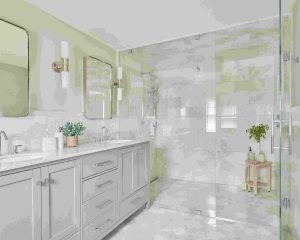
Whether you are planning a complete renovation or a simple cosmetic update, understanding the nuances of marble bathroom tiles—from their cost and maintenance to the latest design trends—is essential. This guide explores everything you need to know about selecting, installing, and living with this timeless natural stone.
The Enduring Appeal of Marble in the Bathroom
Why do marble bathroom tiles remain the gold standard for bathroom design? The answer lies in their unique combination of aesthetic beauty and natural variation. Unlike ceramic or porcelain, no two pieces of marble are exactly alike.2 The veining, swirling patterns, and mineral deposits create a living surface that adds depth and character to a room.3
When you install marble bathroom tiles, you are essentially installing a piece of art. The stone reflects light in a way that synthetic materials struggle to mimic, giving small bathrooms a sense of grandeur and large bathrooms a spa-like atmosphere. Furthermore, marble is naturally cool to the touch, which can be refreshing, though many modern installations pair marble bathroom tiles with radiant underfloor heating for the ultimate comfort experience.4
Popular Types of Marble for Bathrooms
Not all marble is created equal. When shopping for marble bathroom tiles, you will encounter a variety of geological types, each with distinct color palettes and veining patterns.5
1. Carrara Marble
The most common and affordable option, Carrara marble comes from Italy.6 It is characterized by a soft grey-white background with fine, feathery grey veining. It is a classic choice for those who want the look of marble bathroom tiles without the exorbitant price tag of rarer cuts.
2. Calacatta Marble
Often confused with Carrara, Calacatta is much rarer and more expensive.7 It features a brighter white background with dramatic, thick veining that can range from gold to grey.8 Calacatta marble bathroom tiles are often used as statement pieces in luxury showers or feature walls.9
3. Emperador Marble
For those seeking warmth, Emperador marble offers rich browns with white and grey veins.10 Dark Emperador provides a moody, masculine aesthetic, while Light Emperador offers a creamy, beige tone perfect for neutral palettes.
4. Crema Marfil
This Spanish marble is a beige-yellow stone with uniform veining. It is exceptionally popular for traditional bathroom designs where a warmer, softer look is preferred over the stark whiteness of Carrara.
5. Statuario Marble
Statuario is a high-end stone with a bright white background and distinct grey and gold veining. It is arguably one of the most precious marbles available, making it a status symbol in the world of marble bathroom tiles.
Finishes: Polished vs. Honed
One of the most critical decisions you will make when selecting marble bathroom tiles is the finish. This affects not just the look, but the safety and maintenance of your bathroom.
-
Polished Finish: This is the high-gloss look most people associate with marble.11 Polished marble bathroom tiles reflect light beautifully, making the space feel larger and brighter.12 However, they can be extremely slippery when wet, making them a risky choice for bathroom floors unless treated with an anti-slip coating.13
-
Honed Finish: Honed marble has been ground down to a smooth, matte finish.14 It lacks the reflectiveness of polished marble but offers superior traction. For safety reasons, honed marble bathroom tiles are generally recommended for shower floors and high-traffic wet areas.15
-
Tumbled Finish: This finish involves tumbling the tiles with rocks and sand to create a worn, rustic edge. Tumbled marble bathroom tiles have a rougher texture that provides excellent grip, making them ideal for shower floors, though they can be harder to clean due to the larger pores.
Top Design Trends for 2026 and Beyond
As we move into 2026, the application of marble bathroom tiles is evolving. Designers are moving away from standard 12×12 grids and embracing more creative layouts.
Large Format Slabs
To minimize grout lines and create a seamless look, homeowners are opting for large-format marble bathroom tiles.16 These massive slabs can cover entire shower walls, creating a mural-like effect that showcases the stone’s continuous veining.
Mosaic Patterns
While large slabs are trending, so are intricate mosaics.17 Hexagon, basketweave, and herringbone patterns using smaller marble bathroom tiles are perfect for adding texture to shower floors or vanity backsplashes.18
Fluted and Textured Marble
A major trend is 3D texture. Fluted or ribbed marble bathroom tiles add a tactile element to the walls, playing with shadow and light to create a modern, architectural feel.19
Checkerboard Floors
The classic checkerboard is back but with a twist. Instead of just black and white, designers are mixing soft white marble bathroom tiles with muted greens or deep burgundies for a vintage yet contemporary vibe.
Pros and Cons of Marble Bathroom Tiles
Before investing, it is vital to weigh the advantages against the disadvantages.
The Pros
-
Aesthetics: Unmatched beauty and elegance.
-
Value: Installing marble bathroom tiles can significantly increase the resale value of a home.20
-
Uniqueness: Every tile is distinct, ensuring a one-of-a-kind design.21
-
Versatility: Works with modern, traditional, and transitional styles.22
The Cons
-
Porosity: Marble is a porous stone.23 If not sealed properly, marble bathroom tiles can absorb water, leading to discoloration or structural issues.24
-
Staining: It is susceptible to staining from acidic substances (like certain cleaners, hair dyes, or makeup).25
-
Maintenance: Requires more upkeep than ceramic or porcelain.26
-
Cost: Generally more expensive to purchase and install.
Google Autocomplete: Common Questions Answered
When researching this topic, users frequently search for specific questions. Below are the most relevant queries regarding marble bathroom tiles, answered in detail.
“Is marble good for bathroom tiles?”
Yes, marble is an excellent choice for bathroom tiles, provided you are willing to maintain it.27 It offers a luxurious aesthetic that other materials cannot replicate. However, because it is a natural stone, it requires sealing upon installation and periodic resealing to prevent water damage and staining.28 If you prioritize aesthetics and property value, marble bathroom tiles are a “good” choice. If you want zero maintenance, porcelain might be better.
“How much does it cost to tile a bathroom with marble?”
The cost of marble bathroom tiles varies wildly based on the type of marble and the complexity of the installation.29
-
Material Cost: Carrara marble can start as low as $5–$10 per square foot, while rare Calacatta or Statuario can range from $40 to $100+ per square foot.
-
Installation Cost: Installing natural stone is more labor-intensive than ceramic. Expect to pay between $10 and $20 per square foot for labor alone.
-
Total Project: For a medium-sized bathroom, tiling the floor and shower walls with marble bathroom tiles can range from $3,000 to over $10,000.
“Is marble hard to maintain in a bathroom?”
“Hard” is subjective, but it certainly requires more care than synthetic tiles. Maintenance involves:
-
Sealing: You must seal marble bathroom tiles every 6 to 12 months.
-
Cleaning: You cannot use standard acidic bathroom cleaners (like vinegar or bleach) as they will “etch” (dull) the surface.30 You must use pH-neutral cleaners designed for stone.31
-
Wiping Spills: Colored soaps, hair dye, or lotions should be wiped up immediately to prevent staining.32
“Which marble is best for bathroom flooring?”
For flooring, durability and slip resistance are key.
-
Carrara: A great all-rounder due to its density and lower cost.
-
Honed Finish: Regardless of the marble type, a honed finish is “best” for floors to prevent slipping.33
-
Mosaic Tiles: Small marble bathroom tiles (like 1-inch hexagons) are excellent for shower floors because the high amount of grout lines provides natural traction (grip).
“Marble vs porcelain bathroom tiles”
This is a common comparison. Porcelain tiles can now be printed to look exactly like marble.34
-
Porcelain: Non-porous, requires no sealing, very durable, cheaper.35
-
Marble: Porous, requires sealing, higher cost, but has a depth and “feel” that porcelain cannot perfectly mimic.3
-
Verdict: If your budget allows and you don’t mind the maintenance, choose real marble bathroom tiles. If you want the look without the work, choose marble-effect porcelain.
Installation Considerations
Installing marble bathroom tiles is not typically a DIY job. The stone is heavy and brittle, meaning it can crack easily if not cut correctly.37
Subfloor Preparation
Marble requires a very stiff subfloor. If the floor beneath the tile creates any movement or deflection, the rigid marble will crack. Installers often use a cement backer board and potentially a decoupling membrane to protect your marble bathroom tiles from shifting.
Sorting and Blending
Because marble varies so much, your installer should open all the boxes before starting. They need to “blend” the tiles, mixing pieces from different boxes to ensure the color and veining are distributed evenly across the room. You don’t want one corner of your shower to be dark grey and the other bright white.
Grout Selection
The color of the grout can dramatically change the look of marble bathroom tiles.
-
Matching Grout: Using a white or light grey grout with Carrara marble creates a seamless, monolithic look.38
-
Contrasting Grout: Using a dark grey or charcoal grout can make the geometry of the tile pop, especially with subway or mosaic patterns.
-
Grout Type: Unsanded grout is often recommended for polished marble to prevent scratching the surface during installation.
Cleaning and Maintenance Guide
To keep your marble bathroom tiles looking pristine for decades, follow this strict maintenance routine.
Daily Care
After showering, use a squeegee to remove excess water from the walls and floor.39 This prevents soap scum buildup and hard water deposits, which are difficult to remove without acidic cleaners (which you cannot use).
Weekly Cleaning
Wash the tiles with warm water and a mild, phosphate-free, biodegradable liquid dish soap or powder, or a stone soap.40 You can also buy specific sprays labeled “Natural Stone Cleaner.” Avoid traditional bathroom scrubbers.
Dealing with Stains
If your marble bathroom tiles do get stained:
-
Oil-based stains (grease, cosmetics): Clean gently with a soft liquid cleanser with bleach, or household detergent, or ammonia, or mineral spirits, or acetone.
-
Organic stains (coffee, tea, fruit): Clean with 12% hydrogen peroxide (hair bleaching strength) and a few drops of ammonia.41
-
Rust stains: These are difficult to remove. You may need a professional poultice.
Etch Marks
Etching is corrosion of the surface caused by acids (like lemon juice, vinegar, or harsh cleaners).42 It looks like a dull spot or a water ring. For polished marble bathroom tiles, you may be able to buff out minor etching with a marble polishing powder. Deep etching requires professional refinishing.
The Cost of Luxury: Is It Worth It?
When you look at the bottom line, marble bathroom tiles are an investment. They cost more to buy, more to install, and require products to maintain.43 So, why do people still choose them?
The answer is “timelessness.” Trends like subway tile or terrazzo come and go, but marble has been in style for two thousand years. A bathroom clad in marble bathroom tiles will look as relevant in 2040 as it does in 2026.
Moreover, the psychological effect of natural stone cannot be understated. There is a solidity and permanence to marble that synthetic materials lack. Walking barefoot on honed marble feels different than walking on plastic-based luxury vinyl or printed porcelain. For many homeowners, that sensory experience justifies the cost of marble bathroom tiles.
Marble in Small Bathrooms
A common myth is that marble is too overwhelming for small spaces. In reality, marble bathroom tiles can make a small bathroom feel expansive.
-
Reflectivity: Polished marble bounces light around the room.44
-
Large Format: Using large tiles in a small room reduces visual clutter (fewer grout lines), making the floor area appear continuous and larger.45
-
Color Continuity: Using the same marble bathroom tiles on the floor and running them up the walls (floor-to-ceiling) blurs the boundaries of the room, tricking the eye into perceiving more space.46
Conclusion
Choosing the right materials for your bathroom renovation is a balance of budget, lifestyle, and taste. Marble bathroom tiles offer a unique proposition: they require a commitment to care, but they reward you with an aesthetic of unparalleled luxury and timeless beauty.
Whether you opt for the classic affordability of Carrara, the dramatic flair of Calacatta, or the moody warmth of Emperador, your choice to use marble bathroom tiles will undoubtedly become the focal point of your home. By understanding the maintenance requirements and choosing the right finish for your needs, you can ensure that your investment remains as stunning as the day it was installed.
If you are ready to elevate your home, start gathering samples of marble bathroom tiles today. Place them in your bathroom, observe how they look in the morning light versus evening artificial light, and choose the stone that speaks to you. After all, you aren’t just picking a tile; you are picking a backdrop for your daily rituals.