-
 Min. order: 100 piece
 -
 Min. order: 100 piece
 -
 Min. order: 100 piece
 -
 Min. order: 100 piece
 -
 Min. order: 100 piece
 -
 Min. order: 100 piece
 -
 Min. order: 100 piece
 -
 Min. order: 100 piece
 -
 Min. order: 100 piece
 -
 Min. order: 100 piece
 -
 Min. order: 100 piece
 -
 Min. order: 100 piece
 -
 Min. order: 100 piece
 -
 Min. order: 100 piece
 -
 Min. order: 100 piece
 -
 Min. order: 100 piece
 -
 Min. order: 100 piece
 -
 Min. order: 100 piece
 -
 Min. order: 100 piece
 -
 Min. order: 100 piece
 -
 Min. order: 100 piece
 -
 Min. order: 100 piece
 -
 Min. order: 100 piece
 -
 Min. order: 100 piece
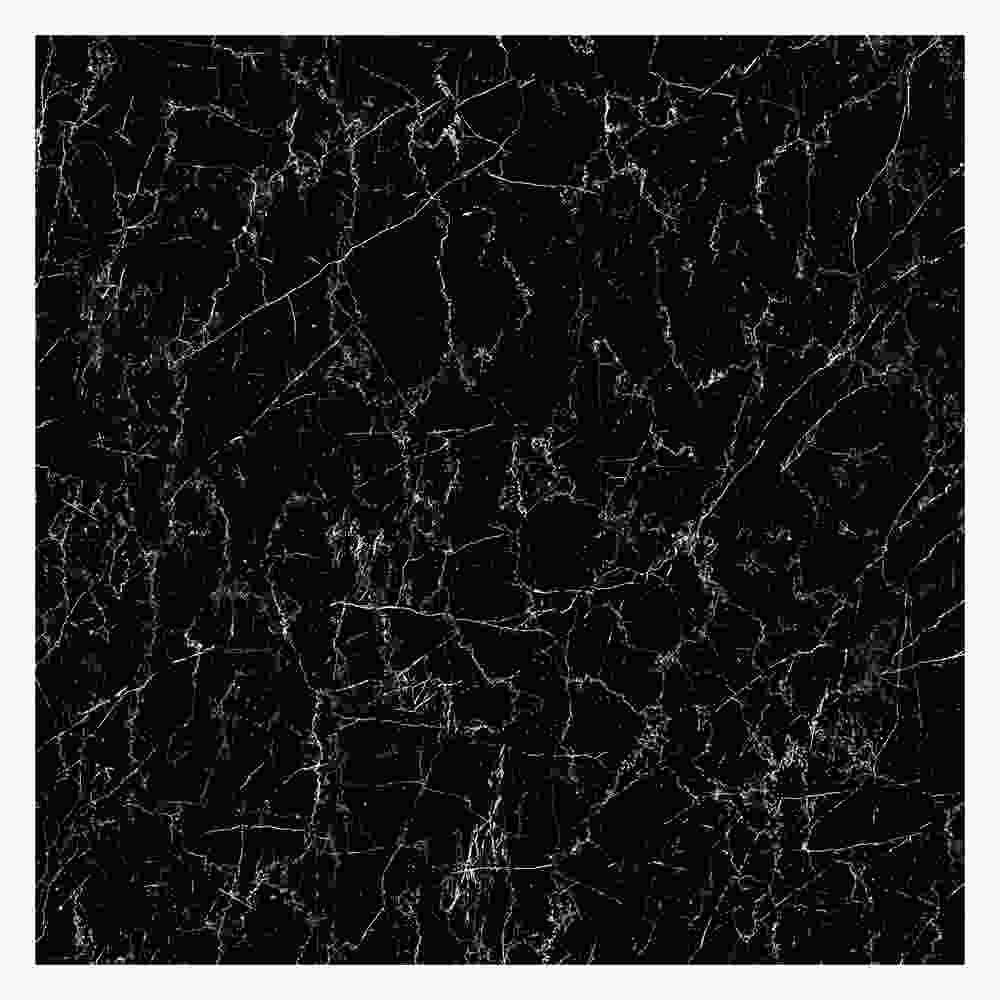
There is something undeniably magnetic about the color black in interior design. It speaks of mystery, luxury, and bold confidence. When paired with the organic, veined elegance of marble, the result is timeless. However, real black marble—such as the famous Marquina or Saint Laurent—comes with a hefty price tag and a high-maintenance reality. Enter black marble look tiles.
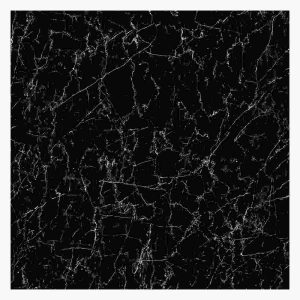
These engineered marvels offer the breathtaking aesthetic of natural stone paired with the durability and practicality of modern porcelain or ceramic.1 Whether you are renovating a master ensuite, designing a statement kitchen, or upgrading a commercial space, black marble look tiles are rapidly becoming the material of choice for designers and homeowners alike.
In this guide, we will explore everything you need to know about this trend, from finish options to styling tips, ensuring you can make an informed decision for your next project.
Why Choose Black Marble Look Tiles?
The allure of natural stone is obvious, but the practical drawbacks are equally glaring. Natural marble is porous, prone to staining (especially from acidic substances), and requires regular sealing.2 Black marble look tiles, typically crafted from high-quality porcelain, solve these issues while retaining the visual drama.
1. Unmatched Durability
Unlike natural stone, which can chip or crack under heavy impact, black marble look tiles are fired at extremely high temperatures. This makes them dense, hard, and resistant to wear and tear. For high-traffic areas like hallways or kitchens, they offer a longevity that natural marble simply cannot match.
2. Moisture and Stain Resistance
One of the biggest fears with real black marble is “etching”—dull spots caused by acidic liquids like lemon juice or vinegar. Black marble look tiles are virtually non-porous.3 They do not absorb water, making them impervious to humidity in bathrooms and resistant to the stains that plague natural stone owners.
3. Cost-Effectiveness
Real Nero Marquina marble can cost a small fortune per square foot. Black marble look tiles allow you to achieve that same high-end, opulent look for a fraction of the cost. The savings extend to installation as well, as porcelain is generally easier to cut and lay than heavy slabs of natural stone.4
Decoding the Materials: Porcelain vs. Ceramic
When shopping for black marble look tiles, you will generally encounter two main material categories: porcelain and ceramic. Understanding the difference is vital for placing the tile in the right environment.
Porcelain Tiles
Porcelain is the gold standard for black marble look tiles. It is made from denser clay and fired at higher temperatures than ceramic.
-
Best for: Flooring, wet rooms, outdoor areas, and commercial spaces.
-
Pros: Through-body color (chips are less visible), frost resistant, and highly durable.
Ceramic Tiles
Ceramic is lighter and easier to cut but generally less dense.5
-
Best for: Wall applications, backsplashes, and low-traffic powder rooms.
-
Pros: More affordable and easier to install on vertical surfaces due to lighter weight.
Finishes Matter: High Gloss vs. Matte
The finish of your black marble look tiles dramatically alters the vibe of the room. This is not just a visual choice; it impacts safety and maintenance as well.
The High Gloss (Polished) Look
Polished black marble look tiles are the epitome of glamour. The mirror-like surface reflects light, making a room feel larger and more open despite the dark color palette.
-
Visual Effect: Enhances the depth of the “veining” (the white or gold streaks), creating a striking 3D effect.
-
Consideration: Highly polished floors can be slippery when wet.6 They are ideal for living rooms or walls but require caution in bathrooms.
The Matte (Honed) Look
Matte black marble look tiles offer a more understated, contemporary elegance. They absorb light rather than reflecting it, providing a soft, velvety texture that feels incredibly modern.
-
Visual Effect: Hides smudges, water spots, and dust better than glossy finishes.
-
Consideration: Excellent for flooring in wet areas as they typically offer better slip resistance.
Design Inspiration: Where to Use Black Marble Look Tiles
The versatility of black marble look tiles means they can be adapted to almost any room in the house. Here are some top trending applications.
1. The Spa-Like Bathroom
Transform a standard bathroom into a moody, high-end sanctuary. Use large-format black marble look tiles on the walls to create a seamless, monolithic appearance.
-
Design Tip: Pair with brushed gold or brass fixtures. The warm metal contrasts beautifully against the cool, dark background of the tile.
2. The Statement Kitchen
A backsplash made of black marble look tiles can serve as the focal point of a kitchen, especially when paired with white cabinetry.7 Alternatively, a “waterfall” island wrapped in large porcelain slabs creates a dramatic centerpiece.
-
Design Tip: If you use black tiles for the floor, ensure you have adequate under-cabinet lighting to keep the space from feeling too dark.
3. The Grand Entryway
First impressions count. Laying black marble look tiles in a hallway creates an immediate sense of luxury.
-
Design Tip: Consider a checkerboard pattern by mixing black and white marble look tiles for a classic Art Deco vibe, or use a herringbone pattern for a modern twist.
Styling and Grout: The Devil is in the Details
Choosing the tile is only step one. How you install and style black marble look tiles defines the final outcome.
Choosing the Right Grout Color
The grout color can either blend the tiles together or frame them.
-
Dark Grout (Black or Charcoal): This creates a seamless, continuous look. It makes the floor or wall look like one giant slab of stone. This is currently the most popular choice for modern interiors.
-
Light Grout (Grey or White): This highlights the shape of the individual tiles. While less common for the “marble look,” it can add geometric interest if you are using unique shapes like hexagons.
Lighting Considerations
Black absorbs light. If you are committed to installing black marble look tiles over a large area, you must plan your lighting accordingly.
-
Layered Lighting: Combine overhead recessed lighting with accent lamps and sconces.
-
Reflective Surfaces: Mirrors and glass furniture help bounce light around the room, counteracting the darkness of the floor.8
Maintenance and Care
One of the primary reasons homeowners switch from real stone to black marble look tiles is the ease of care. However, “low maintenance” does not mean “no maintenance.”
-
Daily Cleaning: Sweep or vacuum regularly to remove dust, which can show up more clearly on dark floors than on light ones.9
-
Mopping: Use a pH-neutral cleaner and warm water. Avoid wax-based cleaners, which can leave a hazy film on the surface of the tile.
-
Grout Care: If you use dark grout, you are in luck—it hides dirt much better than white grout. However, it should still be sealed annually to prevent moisture absorption.
Frequently Asked Questions
Below are answers to the most common questions regarding black marble look tiles, covering durability, styling, and general utility.
1. Are black marble look tiles hard to keep clean?
While black marble look tiles are exceptionally resistant to staining, they can show dust, lint, and water spots (especially in hard water areas) more easily than lighter tiles. A glossy finish tends to show smudges more than a matte finish. However, a quick wipe with a microfiber cloth usually restores their pristine look immediately.
2. Do black marble look tiles make a room look smaller?
Dark colors do absorb light, visually shrinking a space if not managed correctly. However, you can mitigate this. Using large-format black marble look tiles (fewer grout lines) and a high-gloss finish can actually expand a room by reflecting light.10 Pairing the dark floor with light-colored walls also creates a “grounding” effect that makes ceilings feel higher.
3. Can I use black marble look tiles in a shower?
Absolutely. Porcelain black marble look tiles are impervious to water and are an excellent choice for showers. For the shower floor, it is safer to use smaller tiles (like mosaics) or matte-finish tiles to increase friction and prevent slipping.
4. What color walls go with black marble look tiles?
The beauty of black is its neutrality.
-
Crisp White: For a high-contrast, classic monochrome look.
-
Dove Grey: For a soft, moody, and cohesive transition.
-
Jewel Tones: Emerald green or navy blue walls paired with black marble look tiles create a rich, maximalist aesthetic.
-
Warm Neutrals: Cream or beige can soften the harshness of the black.
5. Is black marble look flooring trendy or timeless?
Black marble (like Nero Marquina) has been used in architecture for centuries.11 While specific tile shapes (like hexagons) may trend in and out, the look of natural black stone is timeless. Black marble look tiles offer a classic aesthetic that rarely goes out of style, provided the installation is clean and professional
6. How do I choose between white and gold veining?
This depends on your color palette.
-
White Veining: distinct and sharp. It pairs well with chrome or silver fixtures and cool-toned lighting.
-
Gold/Copper Veining: Warm and opulent. This variety of black marble look tiles pairs magnificently with brass hardware and warm wood tones (like walnut cabinetry).
7. What is the difference between rectified and non-rectified black marble look tiles?
Rectified tiles have had their edges mechanically finished to be perfectly straight and precise. This allows for extremely thin grout lines (1-2mm). For black marble look tiles, rectified edges are highly recommended because thin grout lines help mimic the continuous look of real stone slabs.
8. Are black marble look tiles suitable for outdoor use?
Yes, provided you choose porcelain tiles with an appropriate slip rating (often R11 or “grip” finish). Standard indoor polished tiles will be too slippery when wet. Outdoor-rated black marble look tiles can create a stunning, seamless flow from an indoor living area to an outdoor patio.
Conclusion
The decision to install black marble look tiles is a decision to embrace bold elegance. They offer a rare combination of dramatic visual impact and pragmatic durability. Whether you are looking to ground a sprawling living room or create a jewelry-box powder room, these tiles provide the aesthetic of the world’s most expensive quarries without the associated maintenance headaches.
By choosing the right finish, paying attention to lighting, and selecting the perfect grout, you can ensure your space remains sophisticated and timeless. Black marble look tiles are not just a trend; they are a modern classic solution for the discerning homeowner.